Investing
Investing you can understand, explain, and stick with
The portfolio I build for you is grounded in decades of market research, inexpensive to own, and simple enough to explain to a friend. That last part is what keeps it on track when markets get loud.
Book a 15 to 30 minute call
What does evidence-based investing actually mean?
It means the portfolio is built on what decades of market data show tends to get rewarded: owning thousands of companies across the world, keeping costs and turnover low, and staying invested instead of jumping in and out on predictions. The same body of research points to a few characteristics that have paid off over long enough horizons, namely companies trading at low prices relative to earnings, companies with high current operating profitability rather than just the promise of it, and smaller companies. Nothing in it depends on anyone guessing what markets do next.
The evidence in question is published research on how markets behave: which risks get rewarded over time, why costs drag on results more than they appear to, and how hard it is for even professionals to out-guess prices consistently.
It also means being clear-eyed about what trading actually is. Every stock you decide to buy, someone else has just decided to sell to you, and that someone is often a full-time professional with a research team behind them. Trading on a hunch is a bet that you know more than the person on the other side of it. Once in a while you will, but the odds are unkind, and the winning trades get retold at dinner parties while the losing ones go unmentioned. A portfolio built to capture what markets deliver, instead of to outguess the person across the table, skips that bet altogether.
How I manage your money
What actually drives the returns you keep?
Mostly three things: how much of the market you own, how little you pay to own it, and whether you stay in your seat. The funds I use are chosen for low cost and broad diversification.
Morningstar's Mind the Gap 2025 study puts a number on that last piece: over the 10 years ended December 31, 2024, the average dollar in US funds earned 7.0% a year while the funds themselves earned 8.2%, a gap of 1.2 percentage points a year, because money tends to arrive after good stretches and leave after bad ones. The plan we write in calm weather is the one we follow in rough weather, and when markets fall you'll hear from me before you have to ask.
Is it only index funds, or something more?
Index funds are the core of every portfolio I build, but they aren't the whole story. Alongside them I use low-cost funds from firms like Dimensional and Avantis to lean deliberately toward the characteristics research has rewarded over time: lower valuations, higher current profitability, and smaller companies. Those funds are also built to sidestep two hidden costs of pure indexing, being forced to trade on the day an index reconstitutes, and holding the lowest-quality small companies just because they belong to the index. It is the same low-cost, evidence-based approach, applied with a little more precision.
Does the plan include accounts you hold elsewhere?
Yes. Your 401(k), your spouse's plan, old IRAs, HSAs, and taxable accounts all get treated as one portfolio, because that's what they are. I review workplace fund menus, choose the strongest options inside them, and set your overall mix across everything. Managing one account while ignoring the rest would mean managing a fraction of your real picture.
Could you explain your portfolio to a friend?
That's the test I build to. You'll know what you own, why you own it, and what each piece is for, in plain words. Not because it's simple for simplicity's sake, but because an investor who understands the plan holds on when it counts. Blind faith sells better; reasoned trust lasts longer.
Two ways to run a portfolio
Both approaches have sincere believers. The differences show up in costs, taxes, and what each one demands from you over time.
| Evidence-based approach | Forecast-driven approach | |
|---|---|---|
| Costs | Low by design. Broadly diversified funds selected for low cost. | Higher. Research, active management, and frequent trading all get paid for out of your return. |
| Turnover | Minimal. Trades happen for rebalancing, tax management, and life changes. | Frequent. Every new prediction is a reason to trade. |
| What drives decisions | Decades of published market research, plus your own goals and tax picture. | Someone's view of what markets, sectors, or stocks will do next. |
| What it asks of you | Patience through flat and falling stretches, with nothing thrilling to report at dinner parties. | Confidence that a manager can out-guess other investors consistently, after costs. |
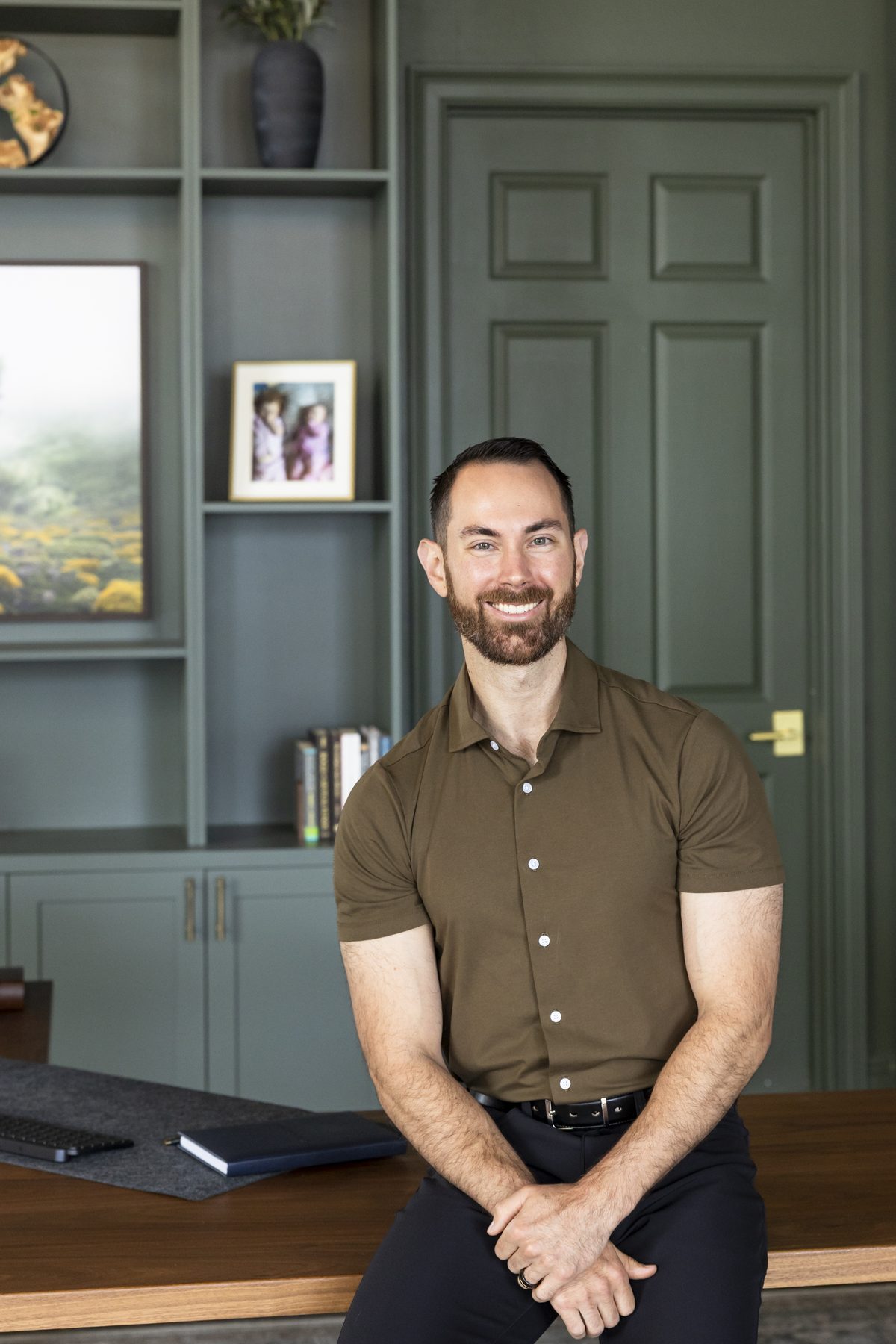
Jesse Plunkett, CEPA®, CRPC®
Financial advisor in Sanford, FL, serving clients across the country virtually. Meet your advisor, or check my record on  .
.
A quick, useful starting point
7 Financial blind spots of high earners
1. Named beneficiaries override your will Beneficiary listings on investment accounts override your will entirely. Named an ex-spouse or a late parent? They still inherit, no matter what your will says…
- 2 🔒
- 3 🔒
- 4 🔒
- 5 🔒
- 6 🔒
- 7 🔒
Let's build a portfolio you can explain.
A short, low-key call. We'll talk about what you own now, what it's costing you, and whether the way I invest fits how you think.
- Nothing to buy or sign
- No fee of any kind
- Nothing to prepare or bring
Common questions
Do you invest in index funds?
Yes, as the core, and then a step further. Every portfolio I build is anchored in broadly diversified, low-cost funds that hold thousands of companies across the United States and the rest of the world. Alongside those index holdings I use low-cost funds from firms like Dimensional and Avantis that tilt toward the traits research has rewarded, lower valuations, higher profitability, and smaller companies, while sidestepping two hidden costs of pure indexing: being forced to trade when an index reconstitutes, and owning the lowest-quality small stocks just because they sit in the index. Broad ownership and low fees, applied with a bit more precision.
Who are your biggest investing influences?
The researchers whose work built the evidence base: Eugene Fama on how markets absorb information, Robert Shiller on how far prices can swing from fundamentals, Daniel Kahneman on why smart investors make poorly timed decisions, and John Bogle, who turned the research into low-cost funds anyone could own. Each one shapes a different part of how I invest.
What will my portfolio cost?
Two layers, both kept low. I build with low-cost, broadly diversified funds, often from firms like Dimensional Fund Advisors and Avantis, though not exclusively, and I'll show you the current blended expense ratio for your own portfolio. My advice and management come with one transparent annual fee; the full schedule is on the home page. Nominal transaction costs may apply on certain trades, and I'll tell you where they do.
Do you manage investments or just give advice?
Both, and they're connected on purpose. I manage portfolios directly, and the investments live inside a broader financial plan, so decisions about taxes, cash flow, protection, and goals shape what happens in the accounts. Advice without management leaves you to execute alone, and management without a plan is just activity. You get the two together.
What happens when the market drops?
The plan already assumes drops will happen, because they always have. Your mix includes enough in stable assets that a decline shouldn't force selling stocks at a low point, and when markets fall you'll hear from me with context and next steps. A downturn often opens up moves worth making: rebalancing, harvesting losses for tax purposes, and converting part of a traditional IRA to a Roth while values are depressed, so the recovery happens in a tax-free account. For retirees drawing a monthly paycheck from the portfolio, it is also when we change which holdings we sell, leaning on bonds, cash, and short-term reserves so stocks are left alone to recover. That approach manages the risk of rough markets; it doesn't eliminate it.
Can you manage my 401(k) too?
In most cases, yes, at least in effect. Even where a workplace plan can't be held with me directly, I review its fund menu, recommend the strongest options inside it, and count it as part of your total portfolio when we set your overall mix. Your 401(k) is often your largest account, so leaving it out was never an option.
Do you work with clients outside Florida?
Almost always. Everything is handled virtually, so where you live is rarely a barrier. The only exception is a handful of states where I'm not registered yet, and if that's you, I'll tell you on our first call.