What I believe
Money and happiness: putting your life first
Money is a tool for funding a good life, not the goal itself. Every plan I build starts there, with what you want your one life to feel like.
Why I start with your life, not your assets
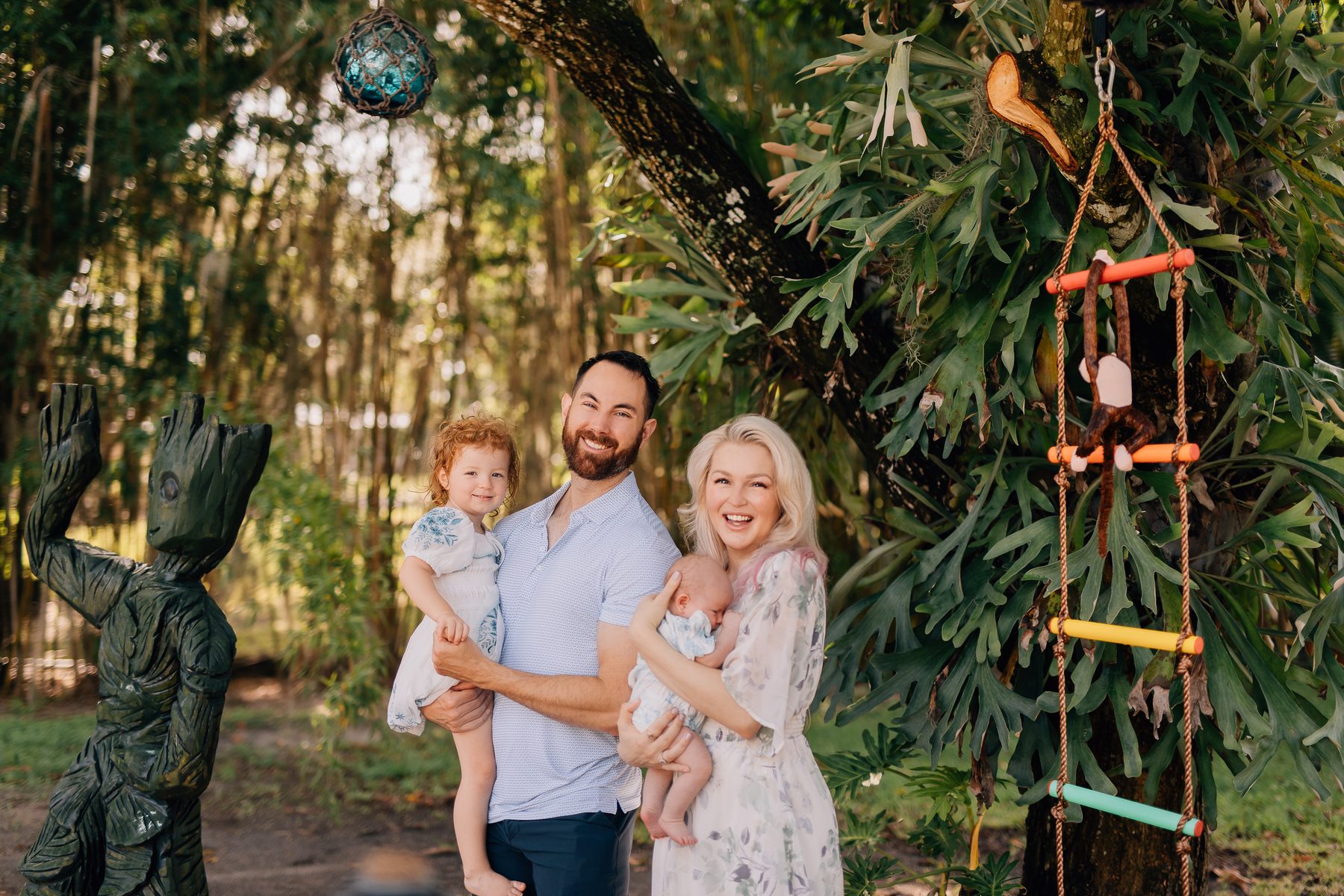
When we sit down, I don't open with your accounts. I open with you: your family, your health, the days you look forward to, the worries that follow you home. Money is one of the most useful tools you have for building a good life, and like any tool it is worth nothing until it is pointed at something you care about. So that is where we point it.
The hardest skill is knowing what is enough
Most money advice is about getting more. The harder skill, and the one that decides whether any of it feels good, is letting your own goalposts stop moving long enough to enjoy what you already have. A bigger house, a higher number, a nicer car: each one resets the bar, and the lift fades while the raised bar stays put.
Defining what counts as enough for you, on purpose, is how you step off that cycle. It is one of the first things I help you put into words, because without it no amount of growth ever feels like arrival.
What a good life is actually made of
Strip it back, and a good life tends to rest on six ingredients. Money can feed every one of them, and buys none of them outright.
Positive emotion
The everyday joy, gratitude, and contentment that make a day worth having.
Engagement
Losing yourself in something absorbing, the flow of doing what you do well.
Relationships
Close, warm ties to other people. The research points here most often.
Meaning
Belonging to something larger than yourself: family, a craft, a cause, a faith.
Accomplishment
Setting out to do something hard, and seeing it through.
Vitality
The physical base under it all: your health, sleep, and energy.
Notice how little of this is about money directly. The freedom to spend more time with the people you love, the security to take a risk, the room to look after your health, money can support every one of these. It just cannot hand them to you.
Growing a big number and retiring into it isn't a plan. The absence of work isn't enough on its own, and neither is the absence of money pressure. My focus is making sure your money lets you build what actually fills a life: engagement, relationships, meaning, accomplishment, and health.Jesse Plunkett, founder of True Stewards Advisory
What the research says about money and happiness
More money does help, up to a point, and then it helps less and less. The studies are consistent on a few things that are easy to forget when you are heads-down earning and saving.
- Happiness is not a straight line up from income. Day-to-day wellbeing rises with income but flattens out above a comfortable level, where extra earning brings smaller and smaller gains.
- Chasing the extrinsic stuff backfires. People who organize life around money, image, and status tend to end up less satisfied than those who pursue growth, connection, and contribution.
- Relationships and health outweigh the number. Set against close relationships and good health, money's effect on overall life satisfaction is modest. One of the longest-running studies of adult life found warm relationships among the strongest predictors of a happy old age.
Where our own minds trip us up
Part of my job is being a steady outside view when your own wiring is pulling you somewhere you would later regret. Three patterns catch almost everyone.
The hedonic treadmill
We adapt fast. The raise, the new house, the better car all fade into the background, and the lift we expected to last rarely does.
You will keep changing
It is tempting to plan as if the person you are today is the finished version. Your tastes and priorities will keep shifting, so a good plan protects the flexibility to become who you are tomorrow.
Social comparison
Measuring our choices against the people around us drives spending that looks good from the outside and leaves us no better off inside.
How this shapes the decisions we make together
These ideas are not a poster on the wall. They change what I recommend and how I help you spend, save, and plan.
The plan that makes it possible
Funding a good life takes a well-built plan: a diversified, low-cost portfolio, a tax strategy that runs through every decision, and protection for the people who depend on you. I take all of it seriously, and I will teach you enough to follow the reasoning yourself. The one shift is what it is all in service of, which is your life rather than a scoreboard.
See how the planning process works → Or browse the services →
A quick, useful starting point
7 Financial blind spots of high earners
1. Named beneficiaries override your will Beneficiary listings on investment accounts override your will entirely. Named an ex-spouse or a late parent? They still inherit, no matter what your will says…
- 2 🔒
- 3 🔒
- 4 🔒
- 5 🔒
- 6 🔒
- 7 🔒
Let's talk about the life you're funding.
A short, low-key call. We start with what you want your time and money for, and go from there.
- Nothing to buy or sign
- No fee of any kind
- Nothing to prepare or bring
Common questions
Why am I not happier after making more money?
Once your income clears the stress of making ends meet, each added dollar tends to lift your day-to-day happiness less than the one before. We also adapt quickly, so raises and upgrades fade into the background. What your money is pointed at, your time, relationships, and health, shapes how you feel more than the size of your paycheck.
What is the PERMA model of wellbeing?
PERMA is a framework from psychologist Martin Seligman describing five ingredients of a flourishing life: Positive emotion, Engagement, Relationships, Meaning, and Accomplishment. A common extension adds Vitality, your physical health and energy, for PERMA-V. I use it as a prompt to help you name goals deeper than a dollar figure.
How do I set financial goals when I don't know what I want?
Start with prompts, not a blank page. Instead of "retire someday," I use a framework like PERMA-V, positive emotion, engagement, relationships, meaning, accomplishment, and vitality, to surface what you actually want your time and money for. Naming the life you want comes first, and the dollar targets follow from it.
Is it better to spend money on experiences or things?
Research suggests experiences tend to bring more lasting satisfaction than possessions, partly because we adapt to objects quickly and because shared experiences strengthen relationships. Spending on other people and buying back your own time show similar effects. None of this is a rule, but it shapes how I help you plan your spending.
Should I spend money to buy back my time?
Often, yes. Research suggests that spending to offload tasks you dislike, and to free up hours, tends to raise wellbeing more than buying more things. Handing off the chores you dread can be one of the better uses of money. I build that into your cash flow on purpose rather than leaving it to chance.
How do financial advisors help with goals beyond investments?
Beyond managing money, a good advisor helps you decide what the money is for: when you can step back from earning, how to spend without guilt, how to weigh time against income, and how to plan around your health and family. The investing is the method. The life it funds is the aim.
Why does a financial advisor care about happiness?
Because financial decisions are life decisions wearing a spreadsheet. How much to save, when to step back from earning, what to spend on, whether to take a risk, each one trades dollars for some version of a life. Anchoring those choices to what you actually want leads to decisions you can stand behind.
How do I know if I have enough money?
Enough is the point where more money stops changing your day-to-day life in any meaningful way, or reducing your overall financial risk in any meaningful way. There is no universal figure. It comes from defining what you want your money to fund, then measuring your resources against that, rather than against other people or an ever-rising target. Naming your own version of enough is part of the planning.
Why do people struggle to enjoy retirement even when they can afford it?
Often because the plan was built around a number, not a life. We imagine the highlights of retirement and edit out the empty days, the lost sense of purpose, and the logistics. A good plan names what your time will be for, and tests that against how retirees actually spend their days, not just the brochure version.
Does retiring early make people happier?
Sometimes, and not automatically. Leaving a draining job helps, but retirement can also remove structure, purpose, and daily connection, which many people underestimate beforehand. The happier early retirements tend to replace the job with something absorbing and social, not just open time. A good plan names what your days will hold before you set a date.