For med spa owners
For med spa owners who reinvest in everything but themselves
You put it back into the buildout, the devices, the team, and the next location. Your own financial life has been standing at the back of the line for years.
Book a 15 to 30 minute call
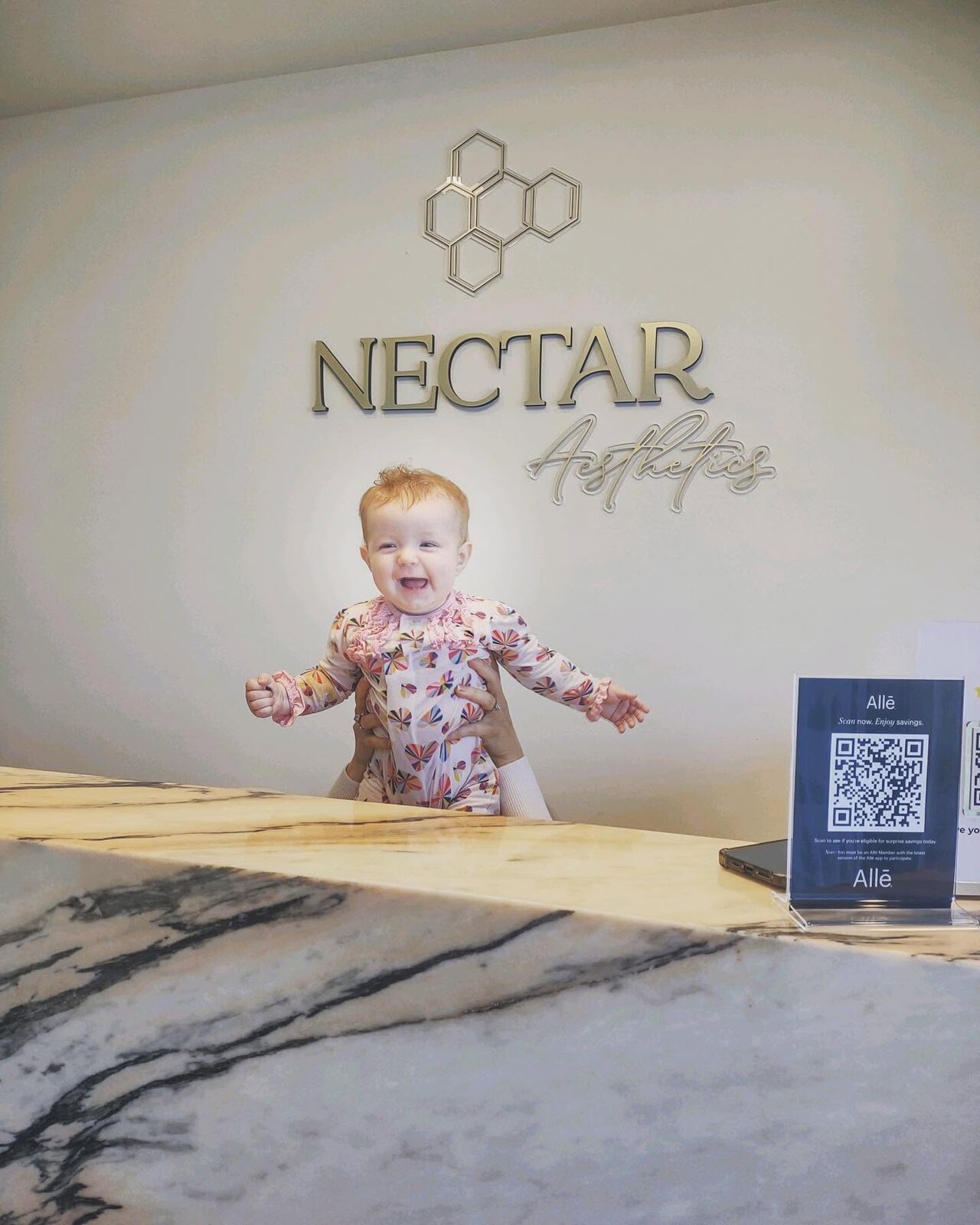
My wife, Karli, at her downtown Orlando Nectar Aesthetics location.
The parts of this that never make the highlight reel
"Last month was incredible, but I have no idea what next month will be like."
From the outside a med spa is full schedules and beautiful results. You know the other side of it: the buildout that ran six months longer than expected, the soft January and the summer lull right behind it when the schedule thinned but payroll didn't, the injector who left and took part of the book with them, the laser you financed that never quite earned its keep.
Building a business like this, in one of the fastest-growing corners of healthcare, asks a lot of the person holding the line. The American Med Spa Association counts more than ten thousand medical spas in the country now, with roughly a thousand opening a year. Plenty open. Not all of them make it.
I write more about what "enough" actually looks like on the Money & Happiness page.
I've been in it, not just near it
My wife, Karli, founded Nectar Aesthetics nine years ago and grew it to two locations. She now trains other injectors for the Allergan Medical Institute.
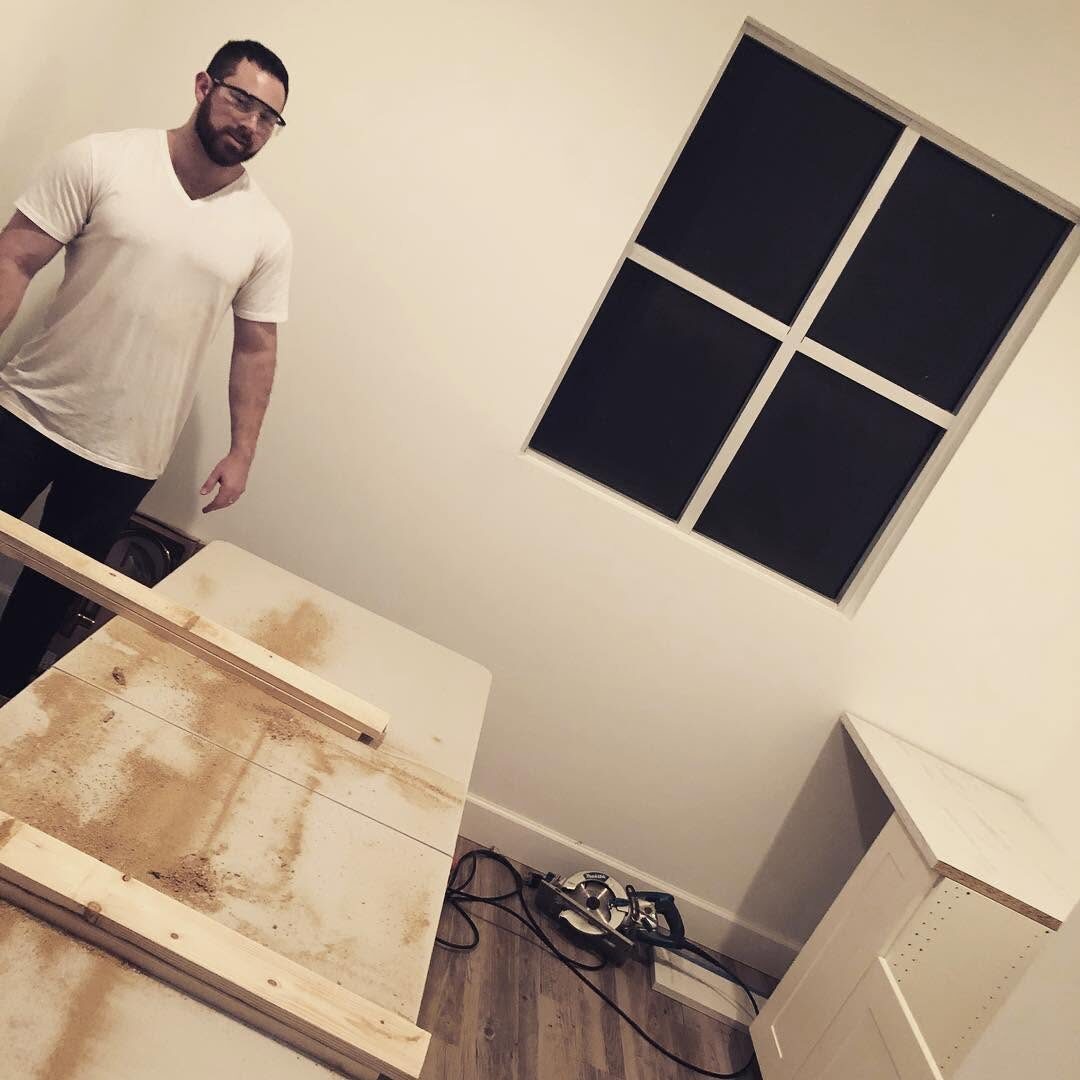
I'm the spouse who was there for all of it. The first buildout we did with our own hands. Payroll on a slow month. The hiring, the memberships, the retention math, the automations, and the devices we cheered for next to the ones we came to regret.
So when you talk about this business, I'm not translating from a textbook. I've felt the good stretches and the ones where you privately wonder what you signed up for. We also grew our family in the middle of growing the practice, which is a scheduling puzzle all its own.

Financial advisor, and a med spa spouse of nine years
My side of the table is you, not the business
I'm not a med spa consultant. I won't tell you how to price a syringe, staff your front desk, or which laser to buy next. Good people do that, and I coordinate with them rather than step on them.
My side is your personal financial life, the part the practice has crowded out for years. What you actually pay yourself. What you're saving, and where. How you're invested. What your family would land on if something happened to you. And how your personal taxes line up with how the business pays you.
Advisors who have only ever drawn a salary tend to hear "med spa owner" and picture a balance sheet. I hear it and think about your Sunday nights.
What I help med spa owners with
A handful of things come up in almost every conversation I have with an owner. All of them sit on your side of the ledger, not the practice's.
Uneven months
Planning around the January and summer lulls, so a soft month never dictates what you take home.
An actual paycheck
Paying yourself on a schedule, not on whatever is left after product, rent, and payroll.
A retirement plan for owners
SEP, SIMPLE, or solo 401(k), chosen around your staff, your profit, and your goals.
Personal tax coordination
Your most controllable personal cost. I don't file returns, but I coordinate closely with your CPA.
Investing the profit
One strategy for the money the practice throws off, instead of cash sitting idle in the account.
The practice's long-term value
Building it so it's worth more, and calmer to run, whether or not you ever sell.
You're building this while raising a family
We did too. Not at first, but years into it, the practice and our family were growing at the same time.
If you're running a practice with car seats in the back and a school pickup on the calendar, that changes what a plan has to do. It has to fit a life that is already full, instead of assuming you have empty evenings to sit and manage money.
A good plan runs mostly on its own between our conversations. That's the point of building it.
The value you're building, even if you never sell
Most owners I meet have had the thought at least once: someday, a group might want to buy this. You don't have to be anywhere near that to plan well. The things a future buyer eventually looks at are the same things that make the practice steadier to run right now.
I'm not a broker, and I won't bring your practice to auction. I come in earlier, ideally long before a sale is even a thought, while there's still time to shape the number instead of only reporting it. Four things tend to move it.
| What a buyer weighs | What they're really asking | Why it helps you now |
|---|---|---|
| Growth | Is revenue climbing, and can it keep climbing? | Steady growth makes payroll and your own pay easier to count on. |
| Risk | What could break this: one landlord, one device, one provider? | Fewer single points of failure means fewer bad surprises. |
| Continuity | Does the practice run if the owner steps back? | A business that isn't all on you gives you your time back. |
| Earnings (EBITDA) | What does it truly earn after its actual costs? | Knowing the true number tells you what you can safely take home. |
This is general education, not a valuation or a recommendation. The exit side of my practice sits behind a credential, the Certified Exit Planning Advisor (CEPA), and it stays in the background while you build.
A beautiful business, and a beautiful life

You built something beautiful. The goal from here is simple to say and harder to do: let it fund a beautiful life, instead of letting it turn into a complicated one.
That's the whole reason I do this with owners. The practice should be the engine that carries your life, not the thing that runs it. When your own money is set up on purpose, the business gets to be the good part again.
A quick, useful starting point
The Med Spa Owner's Money Checklist
A short, practical self-check for the owner's side of the business. The handful of moves that turn a busy practice into personal savings and a calmer year, whether or not you ever sell.
Let's give your side of the business a seat at the table.
A short, low-key call. We start with what you have going on personally, and go from there.
- Nothing to buy or sign
- No fee of any kind
- Nothing to prepare or bring
Common questions
Do you help run my med spa, or handle my personal finances?
Your personal finances. I'm not a med spa consultant, and I won't tell you how to price a treatment or which device to buy. My side is you: what you pay yourself, what you're saving, how you're invested, and what your family is covered for. That said, I'm not coming at it cold. My wife founded and grew a two-location med spa over nine years, so the uneven months and the pay-yourself-last habit aren't theoretical to me.
Why do med spa owners need a different kind of financial plan?
Because nothing is automatic. An employee is enrolled in a retirement plan and paid the same amount every two weeks. You get none of that by default. Add uneven months, a reinvestment reflex that sends every dollar back into devices and buildouts, and the habit of paying yourself last, and your personal financial life is the one account nobody is tending. That's a setup problem more than a discipline problem.
How do I pay myself from a med spa when the months are uneven?
This is where most owner planning starts, because a plan built on a strong month falls apart in a soft one. The usual approach is to pay yourself on a schedule you can count on, keep a personal reserve that doesn't live in the business account, and size what you save to a number the practice can sustain in a slow January or July rather than a booked-out October.
What retirement plan can a med spa owner set up?
You have more options than an employee does. Depending on your profit, your entity type, and your staff, the common ones are a SEP IRA, a SIMPLE IRA, or a solo 401(k). They differ in how much you can shelter, how much paperwork they carry, and what you owe employees who participate. Which one fits depends on your headcount and cash flow, so it's worth choosing deliberately.
My CPA already handles my taxes. Do I need a financial advisor too?
Your CPA files the returns and handles the practice's tax structure, which is essential and a different job from mine. I don't prepare returns. I look at your personal side, how you're paid, what you're saving, how you're invested, and what's covered, and I coordinate with your CPA so the tax strategy and the filing aren't pulling in opposite directions.
I'm not selling my med spa. Is this still relevant?
Yes, and most of my owner conversations have nothing to do with selling. They're about the things postponed while you built the practice: a paycheck you can count on, retirement savings in your own name, investing the profit with a strategy, and coverage that fits your family. The things a future buyer would look at also make the business calmer to run today, whether or not a sale ever happens.
What makes a med spa worth more to a future buyer?
Buyers tend to weigh four things: growth, risk, how well the practice runs without the owner, and true earnings after actual costs (often called EBITDA). This is general education, not a valuation or a recommendation. I'm not a broker and I won't bring your practice to auction. I come in earlier, when there's still time to shape those things rather than just report them.
Do you work with med spa owners outside Florida?
Almost always. Everything is handled virtually, so where you live is rarely a barrier. The only exception is a handful of states where I'm not registered yet, and if that's you, I'll tell you on our first call.